When it comes to product photography, lighting is the unsung hero. It’s the magic ingredient that transforms a good photo into a scroll-stopping masterpiece. Whether you’re shooting jewelry, gadgets, or gourmet treats, the right lighting brings out every detail, texture, and color, ensuring your product stands out in a crowded market.
At Martin Mills Photography, we know a thing or two about lighting up a scene. Let’s shine a light (pun intended!) on some of the best-kept secrets in product photography lighting that will elevate your visuals and captivate your audience.
1. Understand Your Lighting Options
Not all light sources are created equal. Choosing the right type of lighting for your product is crucial to achieving the desired effect. Here are your main options:
- Natural Light: Perfect for products that benefit from a soft, organic feel, like food or lifestyle items. Morning or late-afternoon light works best.
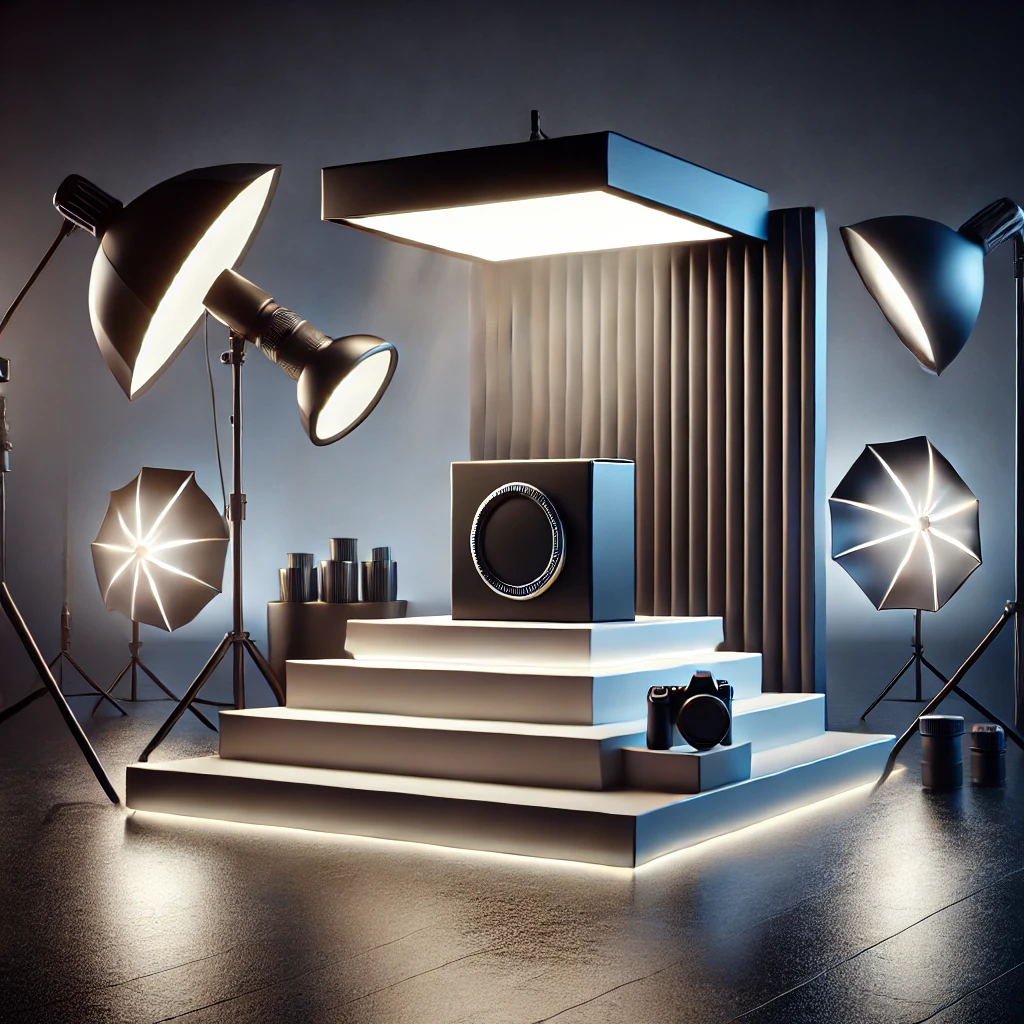
- Continuous Artificial Light: Ideal for precise control. LED panels or softboxes provide consistent lighting, making them perfect for studio shoots.
- Strobe or Flash Lighting: Offers intense light bursts and is great for freezing motion or capturing intricate details in high-end product photography.
Pro Tip: Experiment with different light sources to find what works best for your product’s unique features.
2. Master the Three-Point Lighting Technique
The three-point lighting setup is a tried-and-true method for creating balanced and professional-looking product photos. Here’s how it works:
- Key Light: Your main light source. Place it at a 45-degree angle to the product for depth and dimension.
- Fill Light: A softer light that reduces shadows created by the key light. Position it on the opposite side of the product.
- Backlight: A light placed behind the product to separate it from the background and create a subtle glow or rim effect.
Pro Tip: Use diffusers like umbrellas or softboxes to soften the light and avoid harsh shadows.
3. Leverage Shadows for Drama and Depth
Shadows aren’t your enemy—they’re an essential part of creating a dynamic image. The trick is to use them intentionally:
- Soft Shadows: Achieved with diffused lighting, soft shadows add subtle depth without overwhelming the product.
- Hard Shadows: Created by direct light, they bring boldness and contrast, making the product pop in a dramatic way.
Pro Tip: Adjust the distance between the light source and the product to control the shadow’s intensity.
4. Use Reflectors and Bounce Cards
Ever wonder how some product photos achieve that beautiful, even glow? The secret lies in reflectors and bounce cards.
- Reflectors: These bounce light back onto the product, reducing harsh shadows and highlighting key areas.
- Bounce Cards: Simple white cards placed strategically to fill in darker spots and enhance overall lighting balance.
Pro Tip: Experiment with colored reflectors (gold or silver) for creative effects like warmth or coolness in your images.
5. Experiment with Background Lighting
The background plays a huge role in framing your product and enhancing its appeal. Lighting the background separately can make your photos more dynamic:
- Gradient Lighting: Use a soft spotlight on the backdrop to create a gradient effect that draws attention to the product.
- Colored Backgrounds: Pair colored gels with a background light for a bold, modern aesthetic.
Pro Tip: Keep the background lighting subtle so it complements the product rather than competing with it.
6. Optimize Lighting for Textures and Materials
Different products require different lighting techniques to bring out their best features:
- Glossy Surfaces: Use soft, diffused light to avoid harsh reflections.
- Matte Surfaces: Angle the light to emphasize textures and details.
- Transparent Items: Backlighting works wonders for glassware and liquids, creating a glowing effect.
Pro Tip: A polarizing filter can help manage reflections when shooting shiny objects.
7. Test, Adjust, and Repeat
Even the best photographers don’t nail it on the first try. Testing and adjusting your lighting setup is a crucial step:
- Take multiple shots from different angles and lighting intensities.
- Review the images on a larger screen to spot subtle imperfections.
- Fine-tune your setup until you achieve the desired look.
Pro Tip: Keep a notebook or diagram of your lighting setups for future reference—it saves time on similar shoots!
Conclusion: Let There Be Light
Mastering product photography lighting is a game-changer for creating professional, eye-catching images that resonate with your audience. From experimenting with shadows to leveraging reflectors, each technique plays a role in making your product the star of the show.
At Martin Mills Photography, we combine artistry and technical expertise to create stunning visuals that elevate your brand. Ready to light up your product photography game? Let’s work together to make your products shine!