In portrait photography, lighting is more than just a technical detail—it’s the secret ingredient that transforms a simple photo into an emotional masterpiece. From soft and serene to bold and dramatic, the right lighting doesn’t just illuminate your subject; it sets the entire mood of the shot.
At Martin Mills Photography, we believe that understanding the power of lighting in portrait photography is key to creating images that resonate. Let’s dive into how different lighting techniques can influence the mood and bring your portraits to life.
1. The Power of Natural Light
There’s something magical about natural light. It’s ever-changing, dynamic, and beautifully unpredictable. Depending on the time of day and weather, natural light can evoke a wide range of emotions:
- Golden Hour: The warm, soft glow of sunrise or sunset creates a romantic and flattering atmosphere. It’s perfect for capturing intimate, dreamy portraits.
- Midday Sun: Bright and direct, it adds energy and vibrancy, though it requires skill to avoid harsh shadows.
- Overcast Skies: Diffused light on cloudy days softens features, creating a moody and introspective vibe.
Pro Tip: For natural light portraits, always consider the angle of the light. Front lighting highlights details, while backlighting creates ethereal silhouettes.
2. Studio Lighting: Full Control Over Mood
Studio lighting gives photographers the ultimate control to craft the exact mood they want. With the right equipment and techniques, you can create a wide range of effects:
- Softbox for Gentle Shadows: This setup creates a flattering, even light that’s ideal for headshots and beauty portraits.
- High-Key Lighting: Bright and shadow-free, high-key lighting is upbeat and cheerful, often used for fashion and lifestyle photography.
- Low-Key Lighting: A dramatic setup with deep shadows, low-key lighting adds mystery and intensity to portraits.
Studio lighting is all about precision. It allows for consistency and creative experimentation, making it an essential tool for portrait lighting techniques.
3. The Emotional Impact of Shadow and Contrast
Shadows aren’t just the absence of light—they’re storytellers in their own right. The way shadows fall in a portrait can evoke different feelings:
- Hard Shadows: Created by direct, focused light sources, these add drama and edginess. Think bold, high-contrast black-and-white portraits.
- Soft Shadows: Achieved with diffused light, these bring subtle depth and a gentle mood.
Contrast, or the difference between the lightest and darkest areas of a photo, plays a crucial role in defining the mood. High contrast amps up tension and drama, while low contrast creates a calm, harmonious feel.
Pro Tip: Use shadow placement intentionally—on one side of the face for mystery, or across the entire face for uniformity.
4. Color Temperature and Its Role in Mood
Lighting isn’t just about brightness and shadows—it’s also about color. The temperature of your light source can drastically change the tone of your portrait:
- Warm Light (Yellow/Orange): Creates a cozy, inviting, or nostalgic mood. Ideal for sunset portraits or candlelit scenes.
- Cool Light (Blue): Evokes calm, sophistication, or even melancholy. Often used in futuristic or artistic portraits.
- Neutral Light (White): Keeps the focus on the subject, perfect for clean and professional headshots.
By experimenting with the color of your lighting, you can tailor the emotional tone to your subject and setting.
5. Lighting Techniques for Creative Expression
Want to make your portraits unforgettable? Try these creative portrait lighting techniques to add flair and originality:
- Rim Lighting: Place a light source behind your subject to create a glowing outline that separates them from the background.
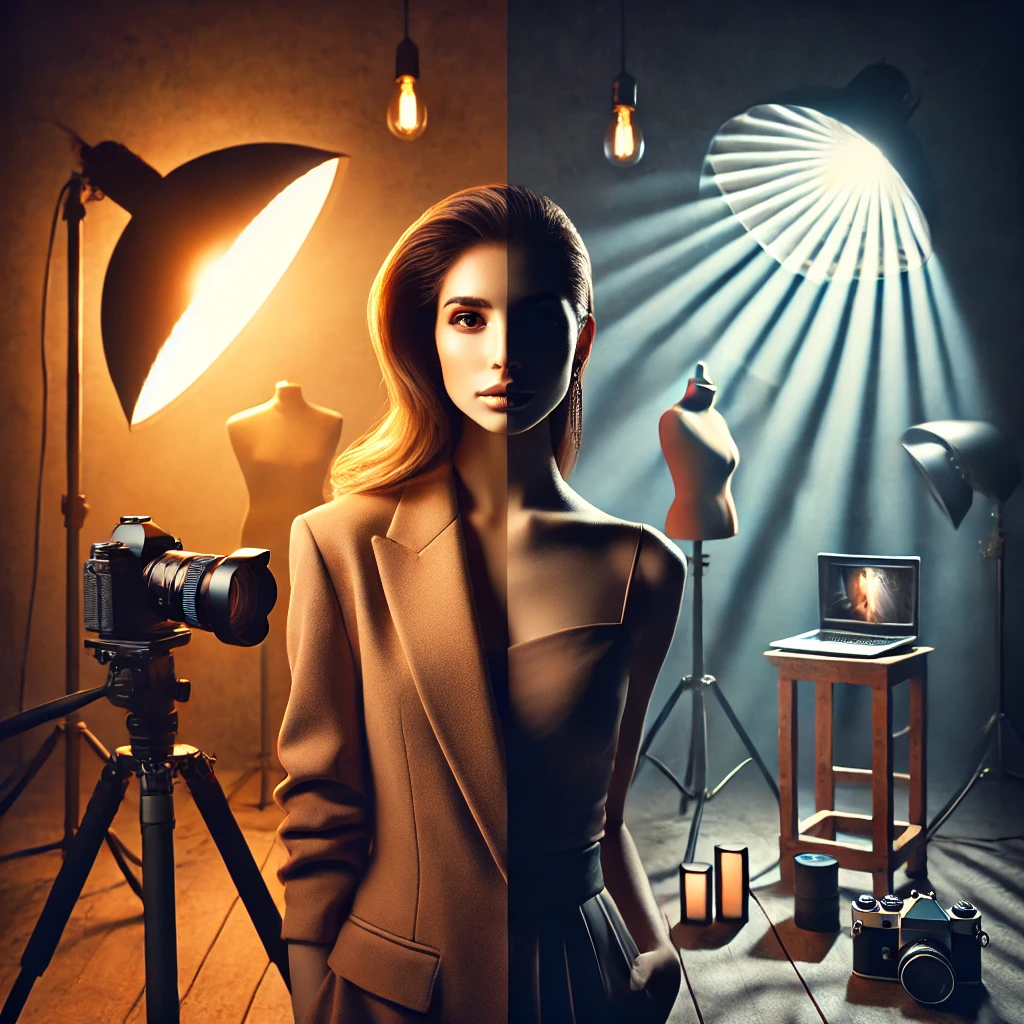
- Split Lighting: Illuminate only half of the face for a moody and cinematic effect.
- Rembrandt Lighting: Named after the painter, this technique uses a triangular patch of light on the cheek to create depth and drama.
Each technique tells a unique story, so don’t be afraid to experiment and find the style that speaks to you.
6. Working with a Professional Photographer
Understanding lighting is one thing; mastering it is another. A professional photographer knows how to use lighting to complement your features, highlight your personality, and set the perfect mood for your portraits.
At Martin Mills Photography, we specialize in creating customized lighting setups for every client. Whether you’re looking for soft, natural tones or bold, dramatic effects, we’ll make sure your photos leave a lasting impression.
Conclusion: Light Up Your Portraits
Lighting is the unsung hero of portrait photography. It has the power to shape emotions, tell stories, and elevate your images from ordinary to extraordinary. Whether you’re drawn to the golden glow of natural light or the precise control of studio setups, understanding how lighting influences mood is key to capturing portraits that stand out.
At Martin Mills Photography, we bring expert knowledge and creative vision to every shoot. Ready to create portraits that truly shine? Let’s work together to make your vision a reality!